Tropical Fern Leaf
As a designer who’s spent years working with machine embroidery, I’ve seen my fair share of floral and leaf designs. But the Tropical Fern Leaf stands out for its subtle elegance and versatility. It’s not just another flower—it’s a design that feels alive, almost like it could be plucked from a tropical jungle and stitched onto fabric. This is a piece that can elevate any project, but only if used thoughtfully.
The First Impression: A Delicate Statement
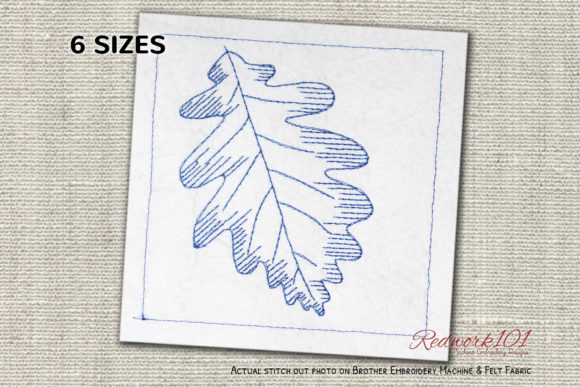
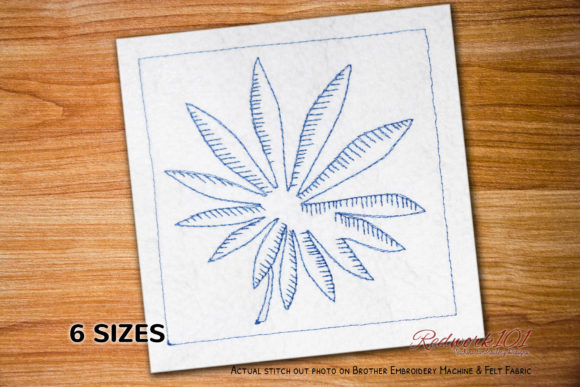
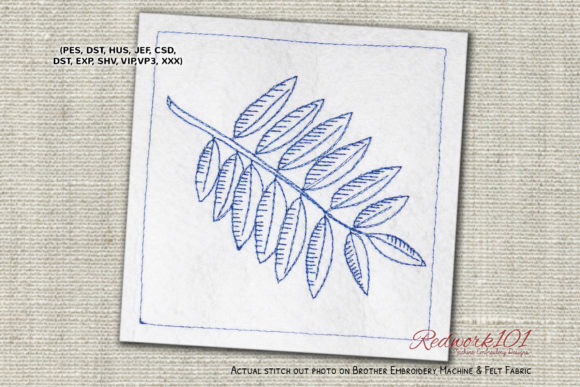
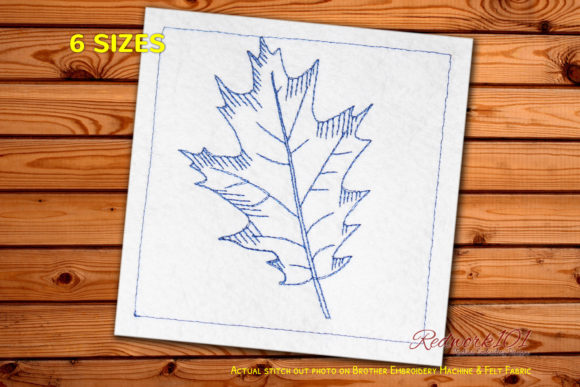
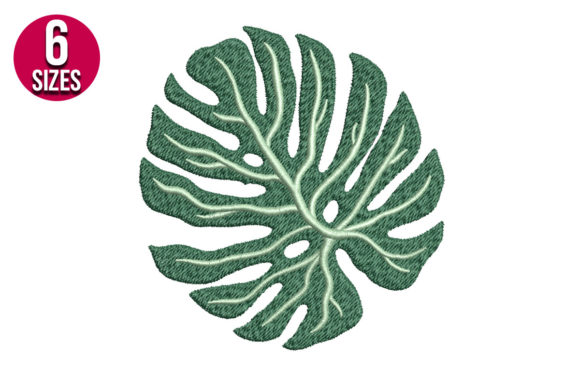
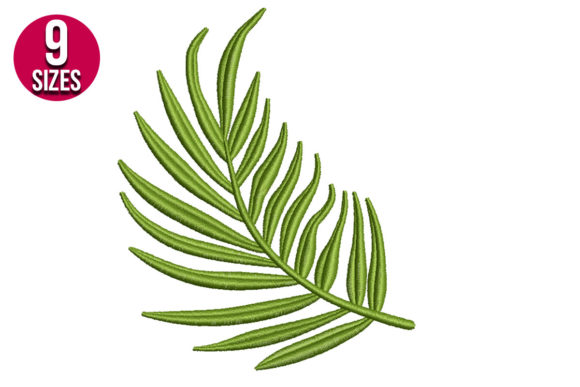
When I first opened the embroidery file, I was struck by how soft and organic the design felt. The fern leaf has a natural flow, with gentle curves and a balanced layout that doesn’t feel cluttered. It’s not overly detailed, which makes it ideal for projects where subtlety matters. The design seems to whisper rather than shout, making it perfect for items that need a touch of refinement without overwhelming the overall look.
This is a design that would work best on lighter fabrics, where the detail can shine through. On darker materials, it might get lost unless the thread color is carefully chosen. The shape also suggests a coastal or beach-themed aesthetic, which could make it a great fit for summer apparel, tote bags, or even baby items with a nature-inspired theme.
Real-World Use: Where Does Tropical Fern Leaf Fit Best?
I imagine using this design on a custom embroidered tote bag for a boutique shop. The leaf would add a fresh, artistic touch without being too bold. It could also be a nice accent on a sweatshirt or a t-shirt for a small business that wants to keep things simple yet stylish. For baby clothes, the design would feel soothing and elegant—perfect for a onesie or a blanket.
It’s also a strong candidate for embroidered patches. The size and detail level make it suitable for a patch that can be sewn onto jackets, backpacks, or caps. If you're an Etsy seller looking for unique, handmade products, this design could be a valuable addition to your collection.
Considerations for Different Projects
While the Tropical Fern Leaf is versatile, it’s not a one-size-fits-all design. For example, on small hoop sizes, the details might become too tight, leading to potential stitching issues. If you’re planning to use it on a cap or a hat, you’ll need to ensure the design fits within the curved surface without distortion.
On textured or stretchy fabrics, the design might not lie flat as intended. Thin or dark fabrics could also pose challenges, especially if the thread color isn’t contrasting enough. It’s important to test the design on scrap fabric before committing to a full project. This will help you see how the stitch density and placement work in real life.
Stitching Clarity and Visual Appeal
The way the design stitches out depends heavily on the technique used. If you’re using a satin stitch, the edges should come out clean and crisp. Fill stitches might add more depth, but they could also make the design look heavier than intended. Running stitches might not be the best choice here, as they could break up the delicate lines of the leaf.
For a finished product, clarity is key. If the design looks blurred or smudged, it could turn off potential buyers. That’s why testing the design on different fabric types and thread colors is essential. It’s also worth considering how the design will look in black and white mockups, especially if you’re creating printable mockups for clients or digital product previews.
Design Value and Customer Perception
When it comes to customer trust and brand consistency, the Tropical Fern Leaf can be a powerful tool. A well-executed design can increase the perceived value of a handmade product, making it more appealing to buyers. It adds a professional touch that can differentiate your work from generic, mass-produced items.
As a small shop owner or an Etsy seller, this design could help you create personalized gifts that stand out. Whether it’s a holiday gift, a wedding present, or a custom item for a client, the Tropical Fern Leaf offers a level of sophistication that can enhance the overall appeal of your products.
Practical Tips for Designers and Crafters
If you’re planning to use this design in your own projects, here are a few practical tips:
- Test the design on scrap fabric first to see how it looks in different conditions.
- Check thread color contrast to ensure the design stands out against the fabric.
- Review stitch density to avoid overcrowding or weak areas in the design.
- Confirm the hoop size needed for your project to prevent distortion.
- Inspect small details to make sure everything comes out sharp and clear.
- Use proper stabilizer to keep the fabric from puckering or stretching during stitching.
- Compare light and dark fabric backgrounds to see how the design performs in different settings.
- Verify licensing if you plan to sell finished items or digital products.
Final Thoughts: A Design Worth Considering
The Tropical Fern Leaf is a design that rewards careful consideration. It’s not just about how it looks on paper—it’s about how it translates to real-world embroidery. When used correctly, it can add a fresh, artistic element to your work. But it also requires attention to detail, fabric type, and stitch execution.
Whether you’re a hobbyist, a small business owner, or a commercial embroiderer, this design has the potential to enhance your projects. Just remember that the success of any embroidery project starts with understanding the design’s strengths and limitations. With the right approach, the Tropical Fern Leaf can become a staple in your collection of machine embroidery designs.